hyundai warranty plan explained for budget-watchers
Clear coverage helps keep costs predictable. That's the heart of a good plan, and Hyundai's approach is known for long powertrain protection and straightforward basics.
Core pieces at a glance
- Basic (bumper-to-bumper): commonly about 5 years/60,000 miles, covering most components aside from wear items.
- Powertrain: often up to 10 years/100,000 miles for the original owner; subsequent owners typically see a shorter term.
- Roadside assistance: usually 5 years, frequently with unlimited miles for towing, lockout, and jump-starts.
- Corrosion perforation: commonly around 7 years; often no mileage cap.
- Emissions & battery: follows federal/state rules; EV/Hybrid batteries are frequently covered 8 - 10 years/100,000 miles (sometimes longer by model). Always confirm by VIN and region.
Small note: terms vary by market, model year, and ownership status. A quick check of your warranty booklet or Hyundai's site by VIN clarifies the exact limits.
What's not usually covered
- Wear items: brake pads, wiper blades, tires.
- Maintenance: oil changes, filters, fluids (unless part of a covered repair).
- Cosmetic issues, trim squeaks, and damage from misuse or accidents.
- Aftermarket modifications that cause a failure.
One real-world moment
At about 43,000 miles, a friend's compact Hyundai had a transmission solenoid hiccup. Powertrain coverage approved the repair, no deductible at the dealer. He spent more time arranging a ride than money - exactly the kind of bill shock a solid plan removes.
Should you add extended coverage?
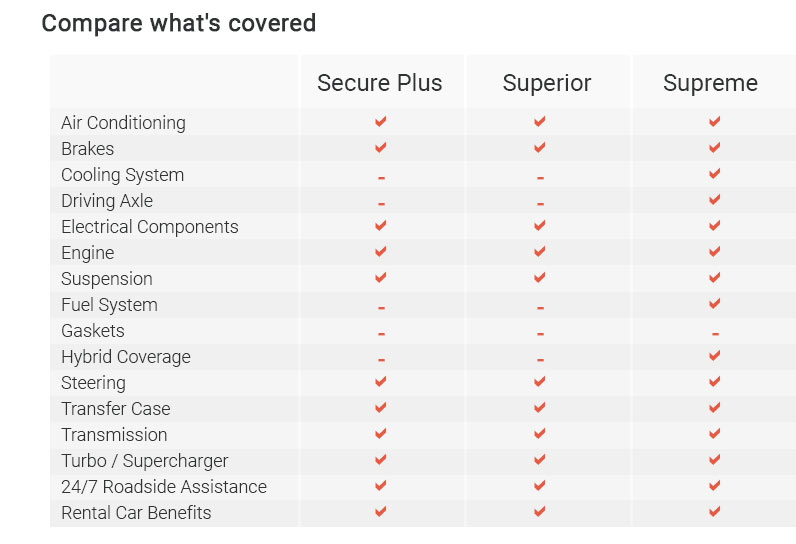
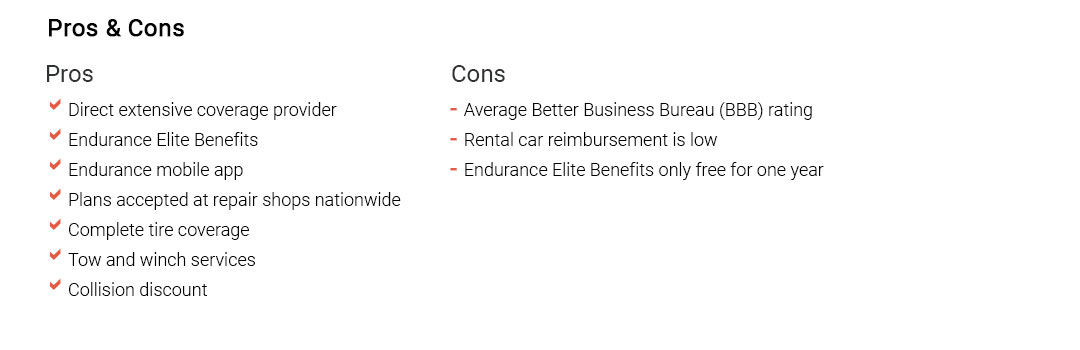
The factory plan is generous. Still, higher-mileage driving or long ownership can make a dealer-sold Vehicle Service Contract (VSC) appealing. Actually - let me sharpen that: it's not about any breakdown risk; it's about shielding against the few expensive ones after basic coverage ends.
- Price vs risk: compare the VSC cost and deductible with a short list of your car's historically pricey repairs (transmission, high-voltage components, advanced driver-assistance sensors).
- Term overlap: don't double-pay for years you already have under factory coverage.
- What's excluded: glass, trim, and infotainment quirks may not be fully covered; read the line items.
- Convenience: nationwide dealer acceptance and roadside/towing integration reduce hassle.
Simple evaluation checklist
- Confirm your exact terms by VIN and in-service date.
- Original vs second owner: note any powertrain term change.
- Your usage: long commute or ride-share? High annual miles argue for longer protection.
- EV/Hybrid focus: verify battery and drive component coverage caps; check capacity-retention clauses.
- Deductible math: a lower deductible can be worth it if you keep the car beyond the basic term.
- Transferability: a transferable plan can lift resale value.
Ownership scenarios
- New buyer: the factory package is robust; consider extended coverage only if you expect to exceed 8 - 10 years or 120k+ miles.
- Second owner: re-check powertrain term; an extended plan can fill the gap if the original-owner bonus no longer applies.
- High-mile commuter: prioritize powertrain and electronics coverage, and confirm roadside towing distances.
- EV owner: look closely at battery, inverter, on-board charger, and thermal-management coverage and diagnostics.
Keep coverage valid with simple habits
- Follow the maintenance schedule; keep receipts.
- Use fluids/parts that meet spec.
- Address warnings quickly; delaying can jeopardize claims.
- Complete recalls and TSB-related visits promptly.
Bottom line
Hyundai's factory warranty leans generous, especially for engines and transmissions. Add-ons make sense when priced fairly, aligned to your mileage plans, and crystal-clear on exclusions. Keep it simple, verify by VIN, and let the plan shoulder the rare, costly surprises while you budget with confidence.